Wondering how to protect a drone from jamming in today’s contested skies? The answer lies in combining advanced anti-jamming systems, resilient navigation technologies, and best practices for operators. In this detailed guide, we explain what jamming is, how it impacts UAVs, and the most effective strategies to secure your drones against interference.
What does GPS jamming mean for drones?
GPS jamming is the deliberate blocking of satellite signals used by drones for navigation. By overpowering weak satellite transmissions with stronger interference signals, attackers can deny a UAV its positional awareness.
For drones, this is more than a technical hiccup. It can mean losing control, veering off course, or even crashing. Whether for commercial deliveries, defense reconnaissance, or critical infrastructure inspections, knowing how to protect a drone from jamming is essential to mission safety and reliability.
Why knowing how to protect a drone from jamming is critical
Every drone operator today faces the reality that jamming devices are affordable and widely available. This means even small-scale actors can disrupt UAV missions. The threat is no longer confined to high-level military operations but extends to civilian drones as well.
By learning how to protect drones from jamming, organizations safeguard not only their hardware but also sensitive data, operational continuity, and the trust of their customers or partners.
Common protection methods explained
Over the years, several techniques have been introduced to shield drones from jamming:
Controlled Reception Pattern Antennas (CRPA): Smart antennas that nullify interference by steering reception away from the jammer.
Multi-frequency GNSS receivers: Devices using GPS, Galileo, GLONASS, and BeiDou together for redundancy.
Inertial Navigation Systems (INS): Backup navigation using gyroscopes and accelerometers when GPS is denied.
Sensor fusion: Combining GPS with cameras, radar, or LiDAR for enhanced reliability.
Signal anomaly detection: Alerting operators when interference is suspected.
The limits of traditional anti-jamming approaches
While these tools are useful, none fully solve the problem alone. CRPA solutions can be bulky and expensive. INS drifts over time without GPS corrections. Multi-constellation receivers still fail under powerful jammers. Sensor fusion adds complexity and cost.
This shows why advanced, drone-specific anti-jamming solutions are necessary for those who truly want to know how to protect drone from jamming effectively.
Advanced technologies that really work
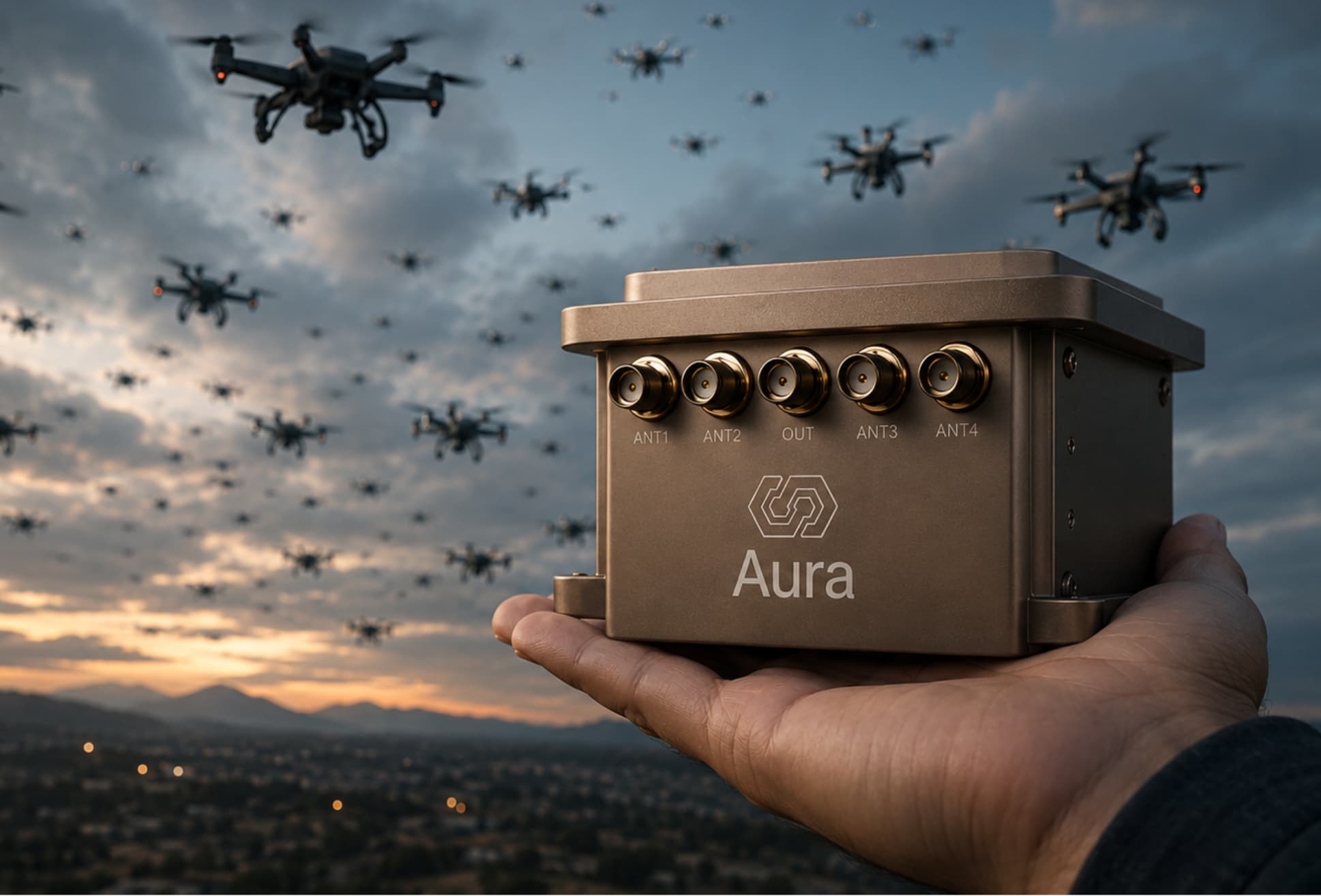
Infinidome offers compact, field-proven systems such as GPSdome and GPSdome2 that directly mitigate interference. Unlike bulky legacy solutions, these systems are designed specifically for UAVs – lightweight, energy efficient, and easy to integrate.
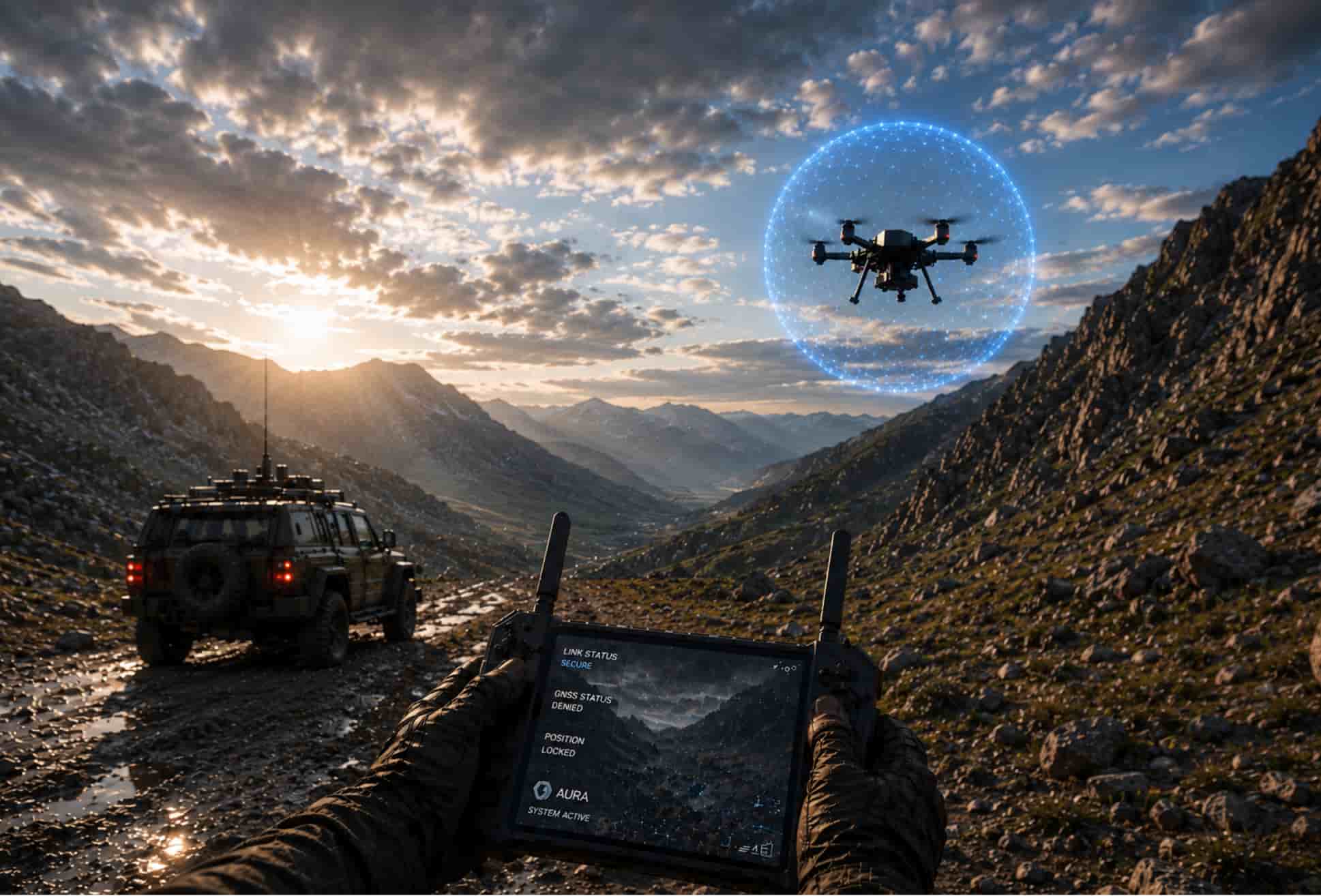
They filter out jamming signals while allowing real GPS signals to pass, ensuring drones remain operational even in highly contested environments. For anyone serious about how to protect drone from jamming, these solutions represent a breakthrough in resilience.
Best practices and proven use cases
Beyond technology, operators should follow structured practices to reduce risks:
Equip drones with tested anti-jamming systems.
Train teams to recognize signs of interference quickly.
Conduct flight planning with awareness of high-risk zones.
Keep drone firmware updated to close vulnerabilities.
Run regular exercises simulating jamming scenarios.
Use cases include:
Defense missions where UAVs face hostile jamming.
Commercial delivery drones navigating dense cities.
Critical infrastructure inspection in sensitive areas.
Agricultural UAVs operating near interference-prone zones.
Questions and Answers
What exactly is GPS jamming?
It is the blocking of satellite navigation signals, making drones lose their position.
Why do I need to know how to protect drone from jamming?
Because jamming can cause drones to crash, lose data, or fail missions.
Can civilian drones be protected too?
Yes. With proper anti-jamming systems, even commercial drones can resist interference.
What is the difference between jamming and spoofing?
Jamming blocks signals, while spoofing feeds false location data to the drone.
What makes Infinidome’s solutions unique?
They combine advanced filtering with small size and low power consumption, making them ideal for UAVs of all types.
Conclusion
Learning how to protect drone from jamming is vital for anyone relying on UAV technology. Traditional methods alone are not enough to counter today’s evolving threats. With infiniDome’s advanced anti-jamming solutions, drones remain resilient, secure, and mission-ready even in contested environments.
Secure your UAV operations today. Contact infiniDome to discover how our GPS protection systems can keep your drones flying safely when it matters most.