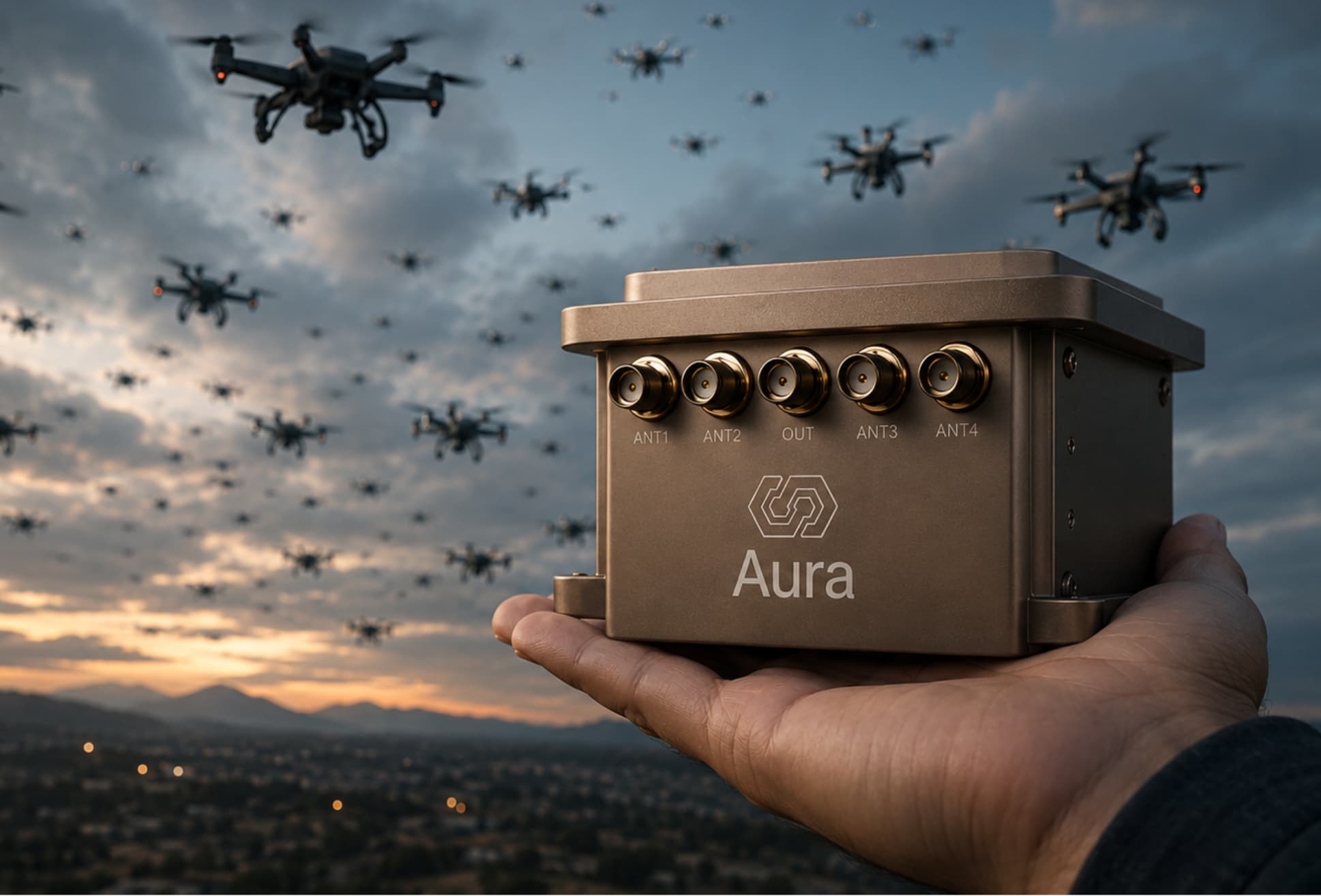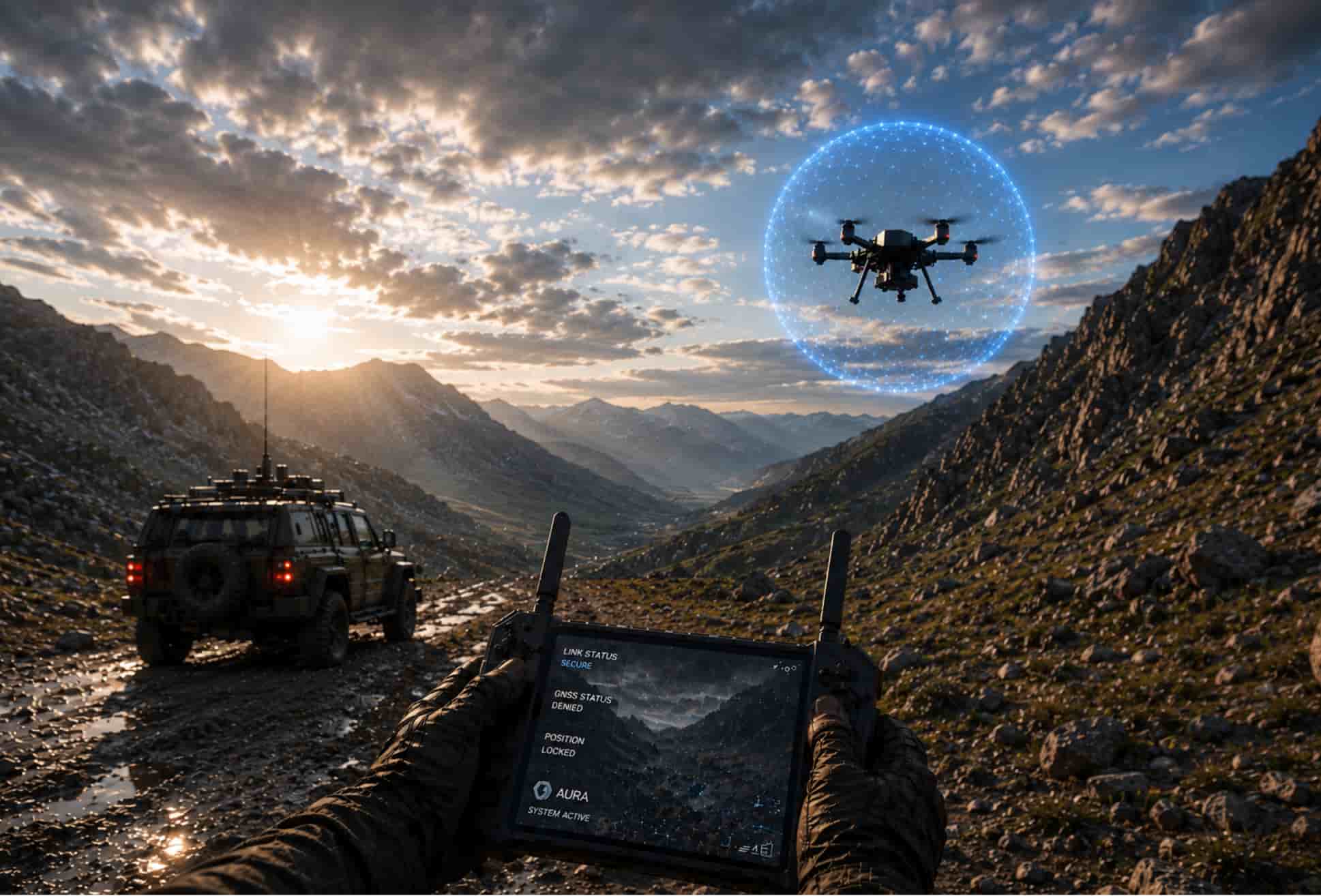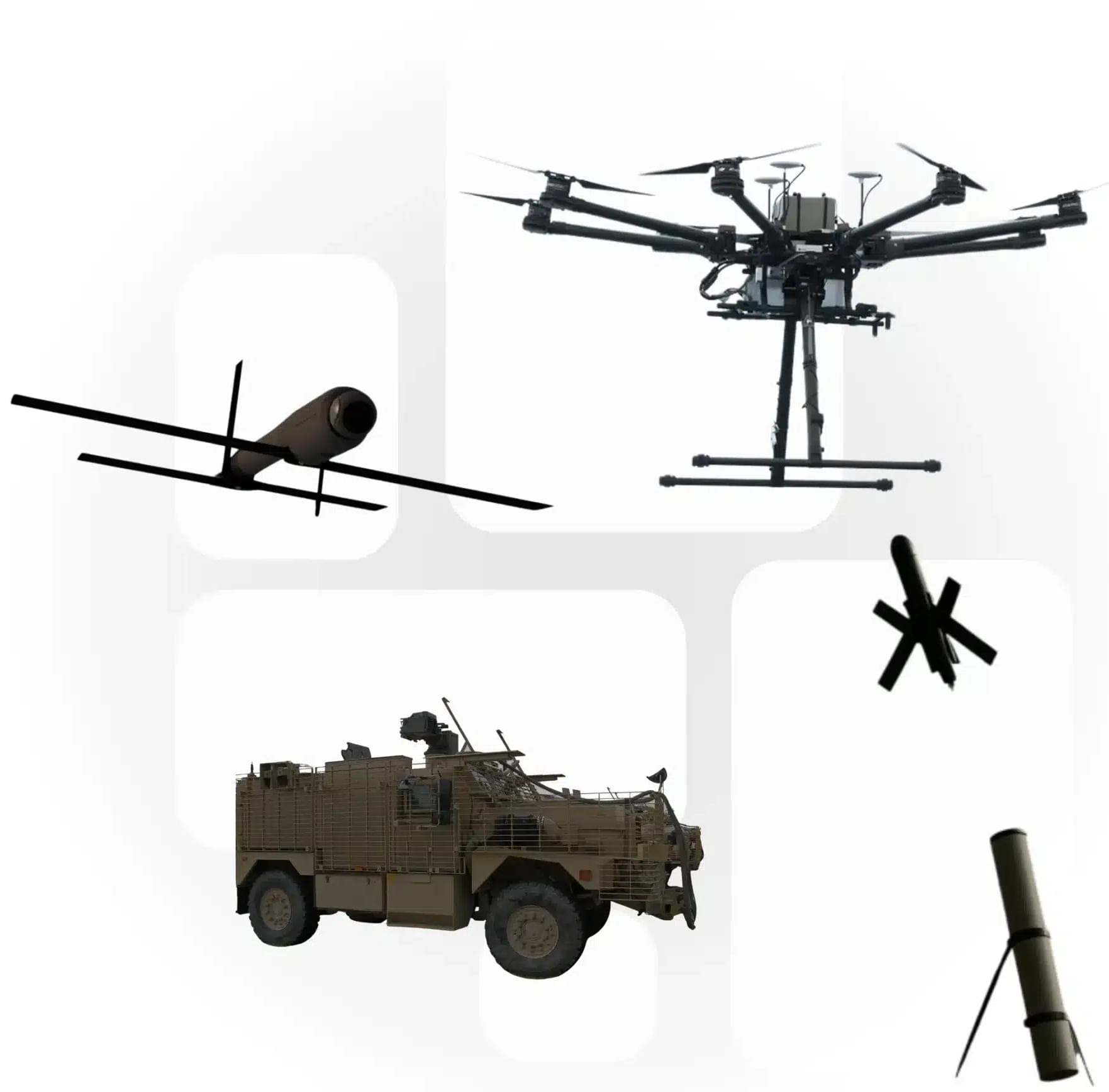
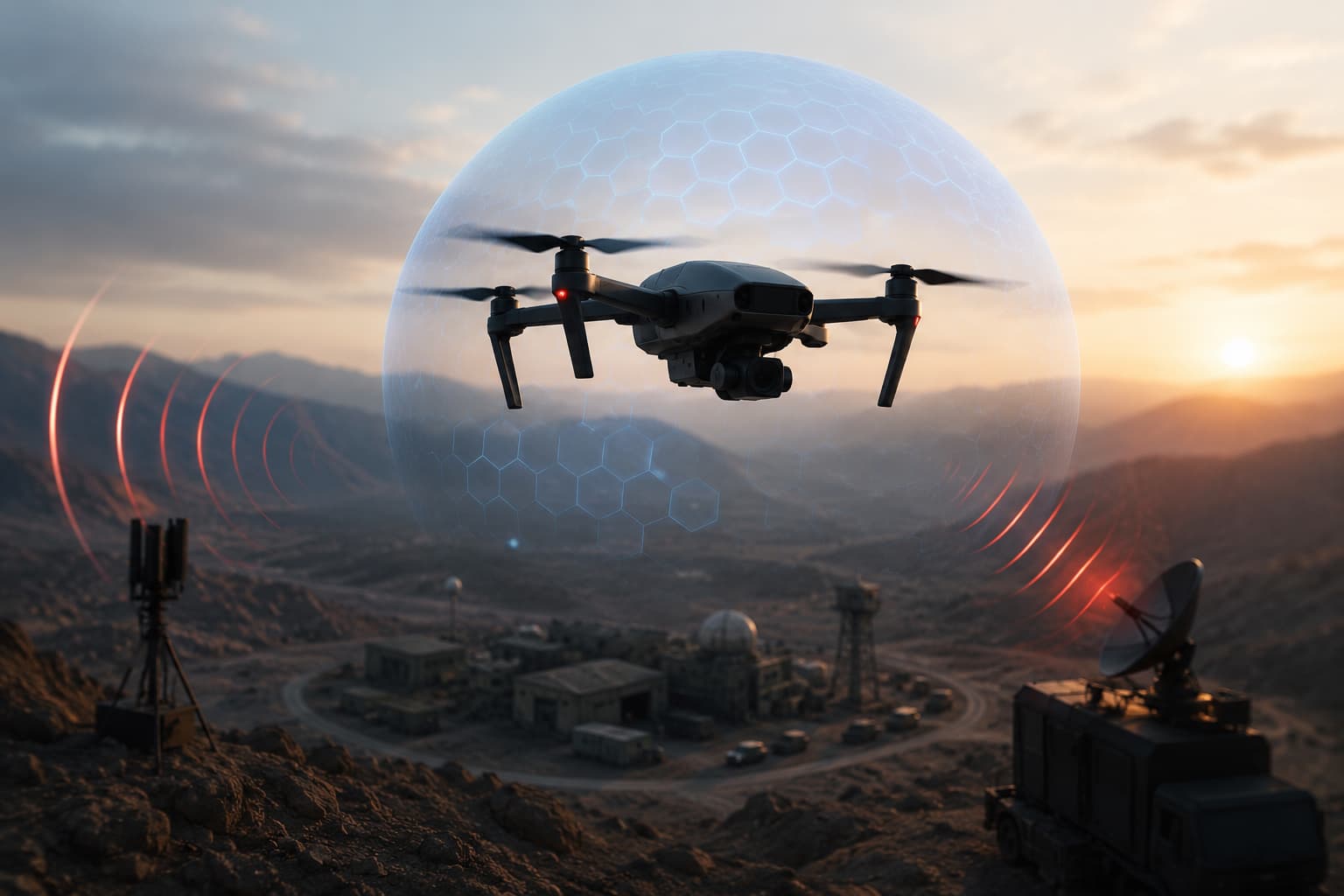
UAV protection refers to a set of technologies designed to safeguard unmanned aerial vehicles from navigation threats such as signal interference and manipulation. As drones rely heavily on satellite-based positioning, protecting them from GNSS disruptions is essential to ensure mission continuity, safety, and operational accuracy.
Why Is UAV Protection Critical in Modern Drone Operations?
Unmanned aerial vehicles have evolved from niche military tools into essential assets across defense, commercial, and industrial sectors. Today, UAVs are used for border security, infrastructure inspection, mapping, agriculture, logistics, and even emergency response. This rapid adoption has created a growing dependency on satellite-based navigation systems, primarily those based on Global Navigation Satellite System.
However, this reliance also introduces a significant vulnerability. GNSS signals are inherently weak when they reach Earth, making them highly susceptible to interference or manipulation. As a result, UAV protection has become a mission-critical requirement rather than a technical upgrade.
The increasing availability of low-cost jamming devices and more sophisticated spoofing tools has led to a rise in real-world incidents where drones lose positioning, deviate from their path, or even get hijacked. In both civilian and military environments, these risks translate into operational failures, financial losses, and safety hazards.
How Do GNSS-Based Attacks on UAVs Work?
Understanding GNSS Jamming
GNSS jamming is one of the most common threats affecting UAV navigation systems. It involves emitting radio frequency signals that overpower legitimate satellite signals, effectively preventing the UAV from receiving accurate positioning data.
When a UAV experiences jamming, several outcomes are possible:
- Loss of GPS lock, causing the drone to hover, drift, or initiate a return-to-home protocol
- Mission interruption or complete failure
- Increased risk of collision or crash due to lack of positional awareness
Jamming does not require advanced technology, which is why it has become widespread across both conflict zones and civilian environments.
Understanding GNSS Spoofing
GNSS spoofing is a more sophisticated form of attack. Instead of blocking signals, spoofing manipulates them by sending false navigation data to the UAV.
This can lead to:
- Gradual deviation from the planned route without detection
- Forced landing in a controlled or hostile area
- Full takeover of the UAV’s navigation system
Unlike jamming, spoofing is harder to detect and can operate without triggering immediate fail-safe mechanisms, making it particularly dangerous.
What Are the Main Types of UAV Protection Solutions?
As threats have evolved, so have UAV protection technologies. Today’s systems combine multiple layers of defense to ensure robust protection against both jamming and spoofing.
Core UAV Protection Technologies
Anti-jamming systems
Designed to filter or reject interfering signals, allowing the UAV to maintain a stable connection with GNSS satellites even in contested environments.
Anti-spoofing mechanisms
These systems analyze signal characteristics to detect anomalies and prevent acceptance of fake positioning data.
Controlled Reception Pattern Antenna (CRPA)
Advanced antenna systems that use beamforming to isolate and suppress interference sources.
Sensor fusion technologies
Integration of inertial measurement units (IMU), barometers, and visual navigation systems to complement GNSS data.
Encrypted navigation signals
Used primarily in military applications to ensure signal authenticity.
Why Traditional Solutions Are Not Enough
Many legacy UAV systems were designed for benign environments where GNSS signals could be trusted. However, modern threat landscapes demand more advanced UAV protection strategies.
Traditional approaches often fall short because:
They focus only on jamming and ignore spoofing
They rely on bulky hardware unsuitable for small UAVs
They lack real-time detection and response capabilities
They do not integrate well with existing drone platforms
As a result, modern UAV protection must be lightweight, adaptive, and capable of handling multiple threat vectors simultaneously.
What Defines an Effective UAV Protection System?
Choosing the right UAV protection solution requires a clear understanding of operational needs and threat environments. The most effective systems share several critical characteristics:
Low SWaP (Size, Weight, and Power)
Essential for maintaining UAV flight performance and endurance
Real-time threat detection
Immediate identification of jamming or spoofing attempts
Multi-constellation support
Compatibility with GPS, Galileo, GLONASS, and BeiDou systems
Plug-and-play integration
Minimal modification required for existing UAV platforms
Mission continuity assurance
Ability to maintain navigation even under active attack
Scalability across platforms
Suitable for small drones, tactical UAVs, and larger systems
Real-World Use Cases for UAV Protection
UAV protection is not limited to military applications. It plays a crucial role across multiple industries:
Defense and tactical operations
Ensuring reliable navigation in electronic warfare environments
Border surveillance
Preventing drone hijacking or signal disruption
Infrastructure inspection
Maintaining accurate positioning near sensitive or high-interference areas
Commercial delivery drones
Ensuring safe and precise route execution
Maritime UAV operations
Protecting against spoofing in open-sea environments where GNSS is critical
Each of these use cases highlights the importance of robust UAV protection systems in maintaining safety and operational success.
Why UAV Protection Is No Longer Optional
The misconception that UAV protection is a “nice to have” feature is rapidly disappearing. In today’s environment, operating a drone without proper protection is equivalent to flying blind.
Without UAV protection:
Navigation systems can be easily compromised
Mission success rates drop significantly
Safety risks increase for both operators and surroundings
Regulatory compliance becomes more difficult
As regulations evolve and awareness of GNSS vulnerabilities increases, UAV protection is expected to become a standard requirement across industries.
Frequently Asked Questions About UAV Protection
What is UAV protection?
UAV protection refers to technologies that secure drones against GNSS-based threats such as jamming and spoofing, ensuring reliable navigation.
How does GNSS jamming affect drones?
Jamming blocks satellite signals, causing drones to lose positioning data and potentially fail their mission.
Do commercial drones need UAV protection?
Absolutely. As drone usage expands, commercial UAVs are increasingly exposed to GNSS threats.
Is UAV protection relevant for small drones?
Yes, especially as smaller drones are more vulnerable due to limited onboard redundancy systems.
The Future of UAV Protection
As UAV adoption continues to grow, so will the sophistication of threats targeting them. The future of UAV protection lies in adaptive, AI-driven systems capable of learning from signal environments and responding dynamically to new attack methods.
We are likely to see increased integration of:
Machine learning for anomaly detection
Cross-sensor validation systems
Autonomous decision-making during signal disruption
These advancements will further strengthen UAV resilience and enable safe operation even in highly contested environments.